
Business Formals: Sharp Dressing for 2026 Professionals
In many workplaces today, dress codes are becoming more relaxed. You’ll see sneakers in offices, hoodies in meetings, and casual Fridays stretching into the rest of the week. Yet despite all this change, business formals still hold their ground — especially when it truly matters.
Note: This guide is primarily for professionals and job seekers
Whether you are walking into a job interview, presenting in front of senior leadership, meeting an important client for the first time, or attending campus placements as a final-year student, business formal attire sends a clear message: you take this seriously. In professional settings where impressions matter, business formal attire remains the safest and most respected choice.
This guide is designed to remove confusion and provide clarity. Instead of vague fashion advice, you’ll find clear definitions, real outfit examples for men and women, practical rules, buying tips, seasonal adjustments, and sustainable fabric options. Think of this as a useful handbook you can rely on whenever you need to dress formally — without overthinking it.
What Does “Business Formals” Mean?
Business formal is the most structured and conservative level of professional dressing. It is designed for situations where credibility, authority, and respect are expected — not optional.
In practical terms, business formal clothing is meant to help you blend seamlessly into high-level professional environments. The goal is not to stand out for your fashion choices, but to be taken seriously for your role, your ideas, and your presence.
Most business formal outfits share a few non-negotiable elements:
- Tailored suits or blazers
- Neutral, professional colors
- Polished, closed-toe footwear
- Minimal and purposeful accessories
You’ll most often see business formal attire in settings like interviews, board meetings, client presentations, conferences, legal offices, and government institutions. In these environments, dressing formally is less about personal style and more about meeting shared professional expectations.
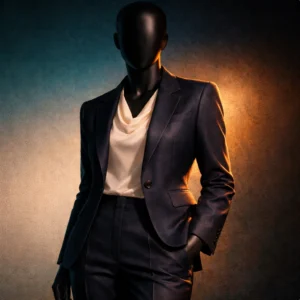
Business Formals for Men: Structured, Reliable, and Timeless
For men, business formals dressing has remained remarkably consistent over the years. That consistency is intentional and purposeful. In formal corporate environments, reliability and predictability are valued, and men’s business formal attire reflects exactly that.
A proper business formal outfit for men is built around structure and fit, not trends.
Essential Pieces
A well-tailored suit is the foundation. In most professional settings, navy, charcoal, or black are the safest choices. These colors rarely draw attention and seldom raise questions, which is exactly what you want in formal situations.
Trousers should match the suit jacket and maintain a clean crease. Baggy or overly tight trousers can quickly undermine an otherwise sharp look.
Shirts should be crisp and understated. White remains the most formal option, followed closely by light blue. Anything louder tends to look out of place in boardrooms and interviews.
Ties are still expected in traditional business formal environments. Patterns can be used, provided they remain understated and do not draw unnecessary attention. If someone notices your tie before your words, it usually means it is too bold for a formal setting.
Shoes matter more than many people realise. Black or dark brown Oxfords and Derbies are the standard. Even an expensive suit can look careless if paired with worn or casual footwear.
Accessories should be minimal and functional — a matching vegan leather belt, a simple watch, and optional cufflinks.
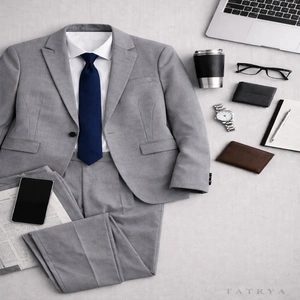
Realistic Outfit Scenarios
Interview: Charcoal suit, white shirt, navy tie, black Oxfords
- Boardroom meeting: Navy three-piece suit, light blue shirt, conservative tie
- Client presentation: Grey suit, pale blue shirt, patterned tie, brown Derbies
In most cases, the safest question to ask yourself is: Would this look appropriate in front of senior leadership? If the answer is yes, you’re on the right track.
Business Formal for Women: Authority with Elegance
Business formal dressing for women is often more nuanced than it is for men. The expectations are clear, but the additional flexibility can sometimes lead to confusion.
At its core, women’s business formal attire is about clean lines, modest silhouettes, and professional restraint.
What You Should Do
Invest in proper tailoring. Even an affordable suit can look premium when it fits well. In fact, fit often matters more than the brand you choose.
Stick to neutral colors such as navy, charcoal, and black. These shades are widely accepted and rarely questioned in formal settings.
Keep accessories simple and functional. A clean watch, a matching belt, and polished shoes go a long way without drawing unnecessary attention.
Make sure your clothes are pressed and your shoes are clean. Wrinkles and scuffed footwear quickly break an otherwise professional look.
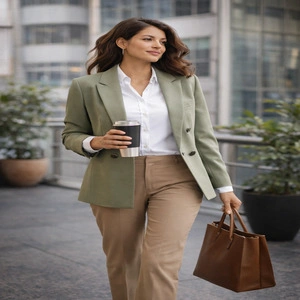
What You Should Avoid
Avoid loud colors, shiny fabrics, or bold patterns. Business formal is not the place for experimentation.
Skip casual footwear entirely. Sneakers, sandals, or relaxed loafers instantly downgrade the formality of an outfit.
Do not over-accessorize. Flashy logos, oversized bags, or excessive jewelry distract from your professional presence.
Most importantly, avoid treating business formal as “fashion dressing.” The objective is professional credibility, not trend expression.
Shoes and Accessories: Small Details, Big Impact
In business formal dressing, accessories should never dominate the outfit. Their role is to support the overall look, not compete with it.
For men, black Oxfords remain the most formal option, while brown shoes are acceptable with navy or grey suits. Shoes should always be clean and well-polished.
For women, closed-toe pumps or flats work best. Extremely high heels or casual sandals often appear out of place in formal settings.
Watches, belts, cufflinks, and bags should be simple and functional. Flashy logos or oversized accessories tend to distract from professionalism.
Fabric Choices That Actually Matter
Fabric selection affects not just appearance, but comfort and longevity.
Modern business formals no longer rely only on traditional textiles. Sustainable fabrics are increasingly popular because they combine durability, breathability, and ethical sourcing.
Bamboo fabric is soft, breathable, and well-suited for long workdays.
Recycled wool offers structure and warmth without unnecessary waste.
Hemp and TENCEL blends provide strength and comfort across seasons.
Banana fiber adds lightweight durability while supporting sustainable practices.
Choosing better fabrics often means garments last longer and maintain their shape over time.
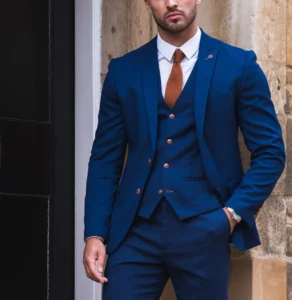
How Expectations Change by Industry
Not all industries interpret business formal in exactly the same way.
In finance, law, and government, expectations are strict. Dark suits, conservative styling, and minimal accessories are standard.
In technology and startups, there is often slightly more flexibility. Lighter suits, patterned shirts, or even skipping the tie may be acceptable — but only if company culture supports it.
Creative industries allow limited personal expression, though formality is still expected during client-facing or leadership interactions.
When in doubt, it is generally safer to dress more formally than required rather than less.
Why Sustainability Fits Naturally with Business Formals
Business formal clothing is designed to last. That makes it an ideal category for sustainable fashion.
Garments that are worn repeatedly, tailored carefully, and maintained properly naturally align with eco-conscious values.
Sustainable business formals focus on:
- Ethical sourcing
- Durable construction
- Reduced environmental impact
Fabrics such as hemp, bamboo, recycled wool, and banana fiber not only support sustainability but also improve garment performance over time.
Ethical production also matters. Transparent supply chains, fair wages, and certified processes protect workers and reduce long-term harm.
Sustainability in business formals is not about trends — it’s about responsibility and longevity.
Seasonal Adaptations
Business formal dressing does not change with the seasons, but the choice of fabrics and layering does. In warmer months, breathable materials such as bamboo, hemp blends, and banana fiber help regulate body temperature while preserving the structured look required in formal settings. Lightweight suit linings and moisture-wicking shirts make long workdays more comfortable without appearing casual.
During colder months, recycled wool and structured hemp blends provide warmth while maintaining a polished silhouette. Layering with sustainable scarves, formal coats, or well-fitted blazers adds insulation without compromising professionalism. The key to seasonal adaptation is not reducing formality, but selecting materials that balance comfort, climate, and structure throughout the year.
Frequently Asked Questions
Can I wear patterned ties and patterned blouses for women in business formal settings?
Yes, patterned ties and patterned blouses for women are acceptable as long as the design is subtle and does not distract from the overall professional appearance. Simple stripes, small dots, or muted textures work well, while bold or novelty patterns should be avoided.
Is facial hair acceptable with business formal attire?
Groomed facial hair is generally acceptable. Whether clean-shaven or bearded, the overall appearance should look neat and intentional rather than casual or unkempt.
Are colored socks appropriate for business formals?
It is best to stick to dark, solid-colored socks that match your trousers. Bright or novelty socks tend to break the formal tone of the outfit.
Can I skip the tie in business formal environments?
In traditional corporate settings, a tie is still expected. Some creative or modern workplaces may allow flexibility, but this should be based on company culture.
Are dresses allowed in business formal attire for women?
Yes, knee-length sheath dresses paired with a structured blazer are widely accepted and professional in formal business environments.
Are sleeveless blouses considered business formal?
Sleeveless blouses are acceptable when worn under a blazer. On their own, they are usually not considered business formal.
Is makeup required for business formal dressing?
Makeup is not mandatory, but a clean and polished appearance generally complements formal attire and enhances professionalism.
Building a Business Formal Wardrobe on a Budget
A professional business formal wardrobe does not require a large number of garments. In most cases, a small, well-planned selection is enough to cover daily office needs, interviews, and formal meetings. The key is to focus on versatility rather than quantity.
Start with two well-fitted suits or blazers in neutral colors such as navy, charcoal, or black. These can be paired with five simple shirts or blouses to create multiple outfit combinations. Adding two reliable pairs of formal shoes allows for rotation, which helps extend their lifespan and maintain appearance.
Taking a capsule wardrobe approach makes dressing easier and more efficient. By mixing and matching suits, tops, and accessories, professionals can achieve variety without constantly purchasing new items. Neutral pieces also adapt better to different formal settings.
Fabric selection plays an important role in long-term value. Sustainable materials such as bamboo, hemp blends, recycled wool, and banana fabric tend to be durable and comfortable, making them suitable for repeated wear. These fabrics often maintain their structure longer when properly cared for.
Finally, tailoring and garment care should not be overlooked. Even affordable business formal clothing can look refined when properly fitted. Thoughtful storage, gentle cleaning, and occasional alterations help maintain a polished appearance while keeping costs under control.
Conclusion: Business Formals for a Sustainable Future
Business formals remain the universal symbol of professionalism, authority, and respect across industries worldwide. By investing in tailored essentials, choosing sustainable fabrics like bamboo, hemp, recycled wool, banana fabric, and hemp + TENCEL blends, and maintaining smart care practices, you can build a wardrobe that is polished, versatile, and eco-friendly. A well-planned business formal collection not only enhances confidence in every professional setting but also supports durability, ethics, and sustainability — ensuring you look sharp while making a positive impact.